
MCT Oil for Weight Loss: Science Behind Satiety
by Joanna Foley
·
MCT oil is a popular supplement for weight loss due to its ability to curb appetite and reduce calorie intake. Unlike other fats, MCTs (medium-chain triglycerides) are quickly absorbed and converted into energy or ketones, which help regulate hunger hormones like peptide YY and leptin. Research shows that meals with MCT oil can lead to reduced calorie consumption - about 323 fewer calories per meal compared to other oils. Over time, this can contribute to weight loss and improved metabolic health.
Key insights:
- MCT oil reduces calorie intake more effectively than coconut oil or vegetable oils.
- Coconut oil, despite containing MCTs, is less effective due to its slower-metabolized lauric acid (C12).
- Products like Lean Joe Bean Weight Loss Coffee, which combines MCT oil with green tea and coffee extracts, offer convenience but lack robust scientific backing.
If you're looking for better appetite control and calorie reduction, MCT oil is the most effective choice, but it may cause mild digestive discomfort for some users.
1. MCT Oil
Satiety Effects
When consumed, MCTs (medium-chain triglycerides) take a direct route to the liver via the portal vein. This bypasses the lymphatic system, which is the typical pathway for long-chain fats. Once in the liver, MCTs are quickly converted into ketone bodies like β-hydroxybutyrate, which naturally help curb appetite.
MCT oil also slows down how quickly food leaves the stomach, helping you feel full for longer. This effect has been observed across different weight categories, benefiting both individuals with a healthy weight and those who are overweight or have obesity.
Unlike coconut oil, which contains lauric acid (a slower-metabolized MCT), pure MCT oil is more effective at delivering these appetite-suppressing benefits. The combined metabolic and gastric effects of MCT oil often lead to lower calorie consumption during subsequent meals.
Energy Intake Reduction
MCT oil has been shown to significantly reduce food intake. Studies highlight that meals containing MCTs lead to a noticeable drop in energy consumption compared to meals with coconut or vegetable oils.
One standout study conducted at Columbia University involved 17 overweight men. Participants who consumed a 10-gram MCT preload three hours after breakfast ate considerably less at lunch - 532 kcal compared to 804 kcal for those who consumed long-chain triglycerides. The impact of MCT oil isn't just limited to the next meal. Research shows a reduction in total energy intake over a 48-hour period following MCT consumption.
Weight Loss Outcomes
These consistent reductions in calorie intake can lead to noticeable weight loss over time. A meta-analysis found that diets including pure MCTs resulted in a 1.53% reduction in body weight. When compared to diets using long-chain fatty acids, MCT interventions performed even better, achieving a 1.62% weight reduction. Across 17 studies with 291 participants, researchers observed a moderate but statistically significant decrease in food intake after MCT consumption, with a mean effect size of -0.444.
In addition to aiding weight loss, MCT-enriched diets have been linked to improved metabolic health. These benefits include lower blood triglyceride levels and enhanced insulin sensitivity. Based on these findings, experts recommend incorporating pure MCTs into dietary strategies for individuals with overweight or obesity, especially those dealing with conditions like dyslipidemia or impaired glucose metabolism.
sbb-itb-c7947de
2. Coconut Oil
Satiety Effects
Coconut oil is often promoted as a weight-loss aid, primarily because it contains medium-chain triglycerides (MCTs). However, its effects fall short when compared to pure MCT oil. Research shows that coconut oil does not create the same feeling of fullness as MCT oil does.
For instance, a study found that MCT oil significantly increased satiety over a three-hour period after breakfast. Coconut oil, on the other hand, performed no better than standard vegetable oil in this regard. This difference stems from coconut oil's high content of lauric acid (C12), which is metabolized more like long-chain fats than true medium-chain fats. This has a direct impact on how much food people consume later on.
Energy Intake Reduction
The lack of satiety with coconut oil translates into higher calorie consumption. Studies reveal that breakfasts containing coconut oil lead to noticeably greater calorie intake later in the day compared to meals with concentrated MCT oil. In fact, coconut oil's effects are nearly identical to those of regular vegetable oils.
This comes down to how the body processes the fats. Only about 20% to 30% of the fatty acids in coconut oil are absorbed through the portal vein for immediate energy use. In contrast, up to 95% of the fatty acids in concentrated MCT oil follow this rapid absorption pathway. Without activating these metabolic pathways, coconut oil is less effective at controlling appetite.
Weight Loss Outcomes
Coconut oil's lower impact on satiety and calorie reduction means it doesn't live up to its marketing as a weight-loss tool. While it does contain 92% saturated fat and some medium-chain fatty acids, the longer fatty acid chains in coconut oil slow down absorption and alter its metabolic effects.
If you're looking for appetite control, coconut oil isn't a suitable replacement for MCT oil in your coffee or smoothies. Its effects on fullness are no better than those of standard vegetable oils. For those aiming to manage hunger and reduce calorie intake as part of a weight-loss plan, concentrated MCT oil remains the better choice.
NEW Benefit of MCT Oil on Fat Loss & Appetite Suppression (1 Tbsp)
3. Lean Joe Bean Weight Loss Coffee
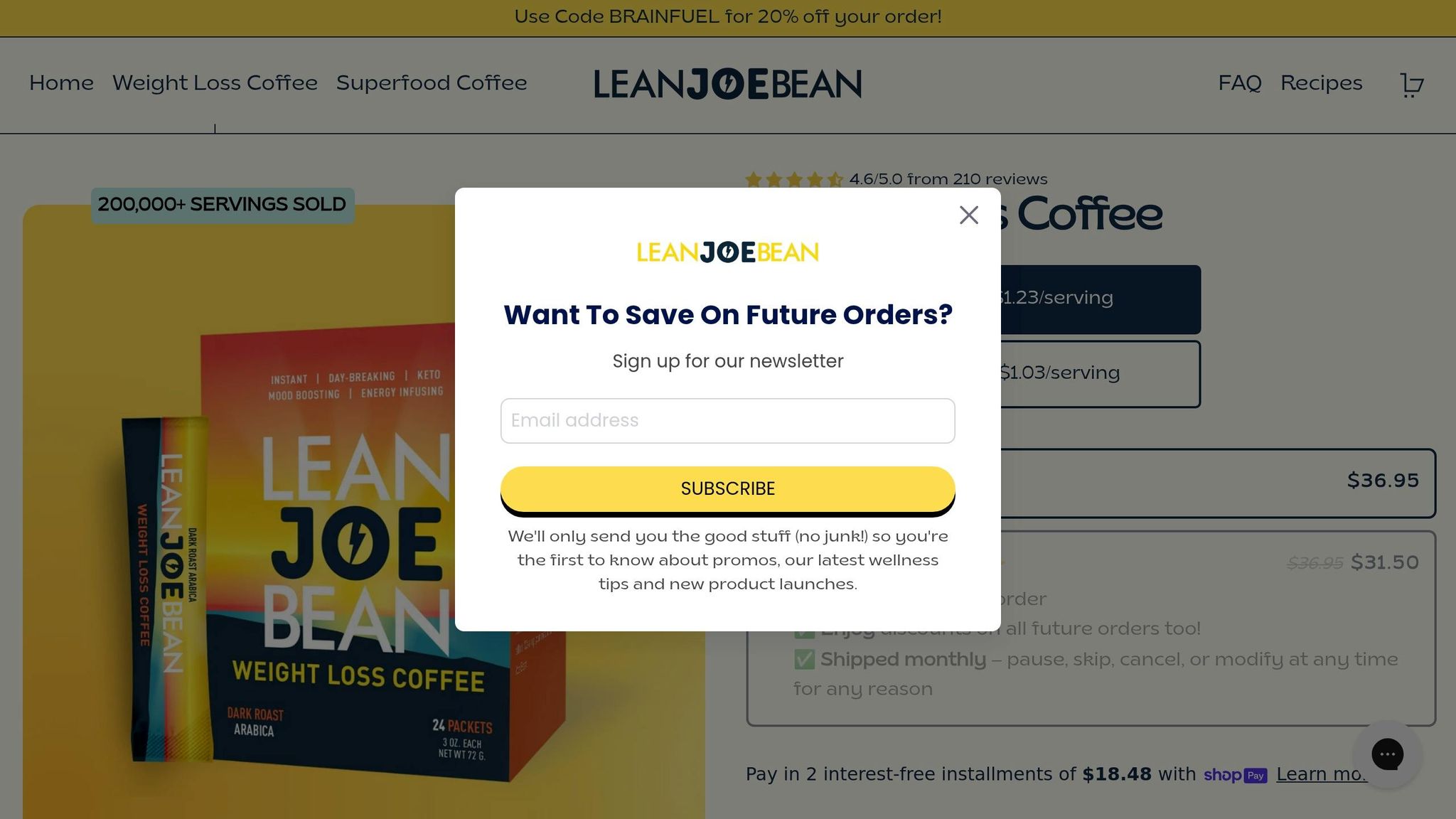
Lean Joe Bean Weight Loss Coffee combines the satiety-boosting effects of pure MCT oil with functional ingredients like green tea extract and green coffee beans, creating a unique beverage aimed at supporting weight management.
Satiety Effects
MCT oil has been shown to enhance feelings of fullness when added to coffee. Research from the University of British Columbia highlights this effect, noting that high-fat coffee containing MCT oil and ghee can increase satiety for up to three hours compared to plain black coffee.
"Consuming one Bulletproof coffee containing 250 kcal, as compared to black coffee, does appear to increase feelings of fullness and result in a reduction in perceived prospective food consumption after 3 hours." - Kara Crampton, University of British Columbia
The science behind this lies in how MCTs delay gastric emptying, meaning your stomach takes longer to digest the coffee, leaving you feeling satisfied for a longer period.
Energy Intake Reduction
The satiety effects of MCT oil also translate into reduced calorie consumption. Studies suggest that replacing long-chain fats with MCTs can lead to a spontaneous decrease in daily food intake by about 62.5 calories.
However, MCT-enriched coffee is calorie-dense, so it’s best to start with a small amount to avoid potential discomfort. The key is to use this coffee as a substitute for other dietary fats, rather than adding it on top of your usual calorie intake.
Weight Loss Outcomes
MCT oil has been linked to measurable weight loss benefits. One 16-week study found that participants who consumed MCT oil lost 1.67 kg more weight compared to those who used olive oil. This is due to MCTs being rapidly absorbed and converted into ketone bodies, which not only suppress appetite but also enhance fat burning.
"Consumption of MCT oil as part of a weight-loss plan improves weight loss compared with olive oil and can thus be successfully included in a weight-loss diet." - Marie-Pierre St-Onge, Ph.D., Columbia University
Lean Joe Bean Weight Loss Coffee is available at $36.95 per month for 24 single-serving packets, with subscription options reducing the cost to $31.50 per month. While the MCT content provides noticeable satiety and weight loss benefits, users should be mindful of their cholesterol levels when using MCT products long-term, as they do contain saturated fats.
Pros and Cons
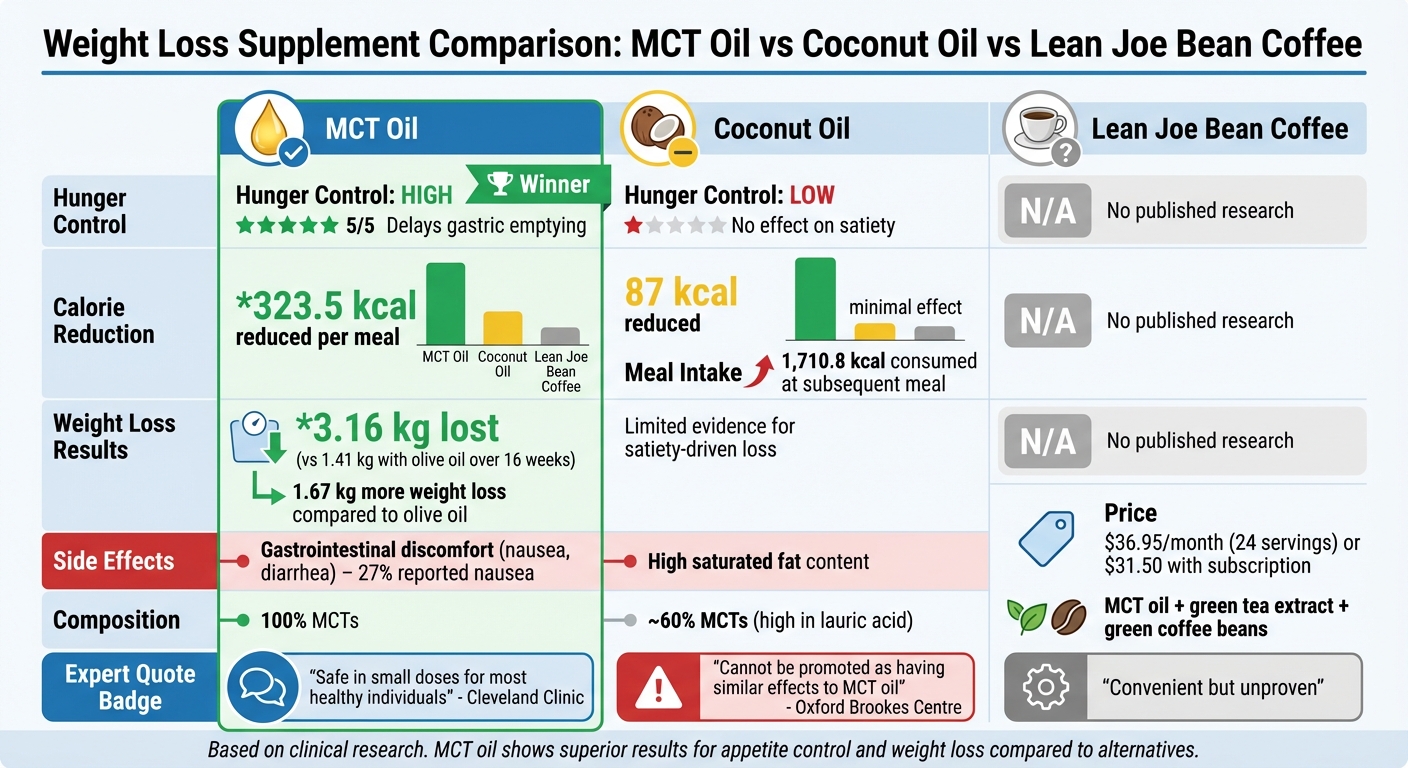
MCT Oil vs Coconut Oil vs Lean Joe Bean Coffee: Weight Loss Effectiveness Comparison
Here’s a quick summary of the strengths and drawbacks of MCT oil, coconut oil, and Lean Joe Bean Weight Loss Coffee, based on the detailed analysis of each supplement.
MCT oil stands out for its ability to significantly reduce calorie intake compared to other oils. For example, one clinical trial found that it helped participants consume about 323.5 fewer calories during a meal. However, it’s not without its downsides - higher doses can lead to gastrointestinal issues. In fact, 27% of participants in a study reported nausea after consuming MCT oil. Anthony DiMarino, a registered dietitian at Cleveland Clinic, advises caution:
"MCT oil would be safe in small doses for most generally healthy individuals. I would not recommend it to someone who is living with fatty liver or heart disease because MCTs are still fats".
Coconut oil, on the other hand, doesn’t offer the same appetite-suppressing benefits. Research shows that after consuming coconut oil, participants ate an average of 1,710.8 kcal at a subsequent meal - more than what was observed with MCT oil. This is likely due to its slower metabolism, which limits its impact on satiety.
Finally, Lean Joe Bean Weight Loss Coffee combines MCT oil with green tea extract and green coffee beans in a convenient, easy-to-prepare blend. At $36.95 per month (or $31.50 with a subscription) for 24 servings, it’s marketed as a practical option. However, there’s currently no scientific evidence available on its effectiveness in controlling hunger, reducing calorie intake, or aiding weight loss.
| Feature | MCT Oil | Coconut Oil | Lean Joe Bean Coffee |
|---|---|---|---|
| Hunger Control | High; delays gastric emptying | Low; no effect on satiety | N/A |
| Calorie Reduction | Reduced intake by about 323.5 kcal | Minimal; about 87 kcal less than control | N/A |
| Weight Loss Results | 3.16 kg lost vs. 1.41 kg with olive oil over 16 weeks | Limited evidence for satiety-driven loss | N/A |
| Side Effects | Gastrointestinal discomfort (nausea, diarrhea) | High saturated fat content | N/A |
The table highlights MCT oil’s notable advantages in appetite control and calorie reduction. However, users should be mindful of possible digestive discomfort. While MCT oil shines in these areas, coconut oil and Lean Joe Bean Coffee may not deliver the same level of effectiveness for weight management.
Conclusion
When it comes to satiety and weight loss, the differences between these options are clear. MCT oil takes the lead with its 100% MCT composition, which is quickly absorbed and processed by the liver for energy. Clinical trials have shown that MCT oil can reduce calorie intake by approximately 323 kcal in the next meal and contribute to about 1.67 kg more weight loss compared to olive oil over a 16-week period. To avoid digestive discomfort, such as nausea reported by 27% of users, it’s best to start with small doses. These results highlight MCT oil's strong influence on metabolism and weight management.
On the other hand, coconut oil contains only around 60% MCTs, with a significant portion made up of lauric acid - a fatty acid that behaves more like a long-chain fat. This slower metabolic process limits coconut oil's ability to provide the same satiety benefits as MCT oil. Researchers at the Oxford Brookes Centre for Nutrition and Health have noted:
The results of this study confirm the differences that exist between MCT and coconut oil such that coconut oil cannot be promoted as having similar effects to MCT oil on food intake and satiety.
As for Lean Joe Bean Weight Loss Coffee, it offers a convenient mix of MCT oil, green tea extract, and green coffee beans. While it is priced competitively and easy to use, there is no published research available to confirm its effectiveness for appetite suppression or weight loss.
FAQs
What dose of MCT oil should I start with?
Start with 1 to 2 tablespoons (15–30 ml) of MCT oil per day, and increase the amount gradually to see how your body handles it. Jumping to higher doses too quickly can lead to stomach issues, so it’s smart to adjust slowly based on your tolerance.
Does adding MCT oil to coffee help or hurt weight loss?
Adding MCT oil to your coffee might support weight loss by helping you feel full and increasing fat burning. Medium-chain triglycerides (MCTs) are fats that your body absorbs quickly, triggering hormones like peptide YY and leptin - both of which play a role in managing hunger. When paired with a balanced diet, MCT oil could be a useful tool for maintaining a healthy weight.
Who should avoid MCT oil for health reasons?
People dealing with liver disease, pancreatic issues, or frequent gastrointestinal problems should steer clear of MCT oil. For these individuals, it can cause digestive discomfort or even worsen existing complications.
Related Blog Posts
- Ultimate Guide to Mindful Coffee Drinking
- Turmeric Coffee: Weight Loss Benefits Explained
- Probiotic Coffee for Weight Loss and Gut Health
- Functional Coffee and Meal Prep: Weight Loss Guide
Related reading
- Ultimate Guide to MCT Oil for Sustained Energy
- How to Choose the Right Weight Loss Coffee for Your Body Type
- Is Coffee Good for Weight Loss? Exploring the Benefits and Myths
Ready to put this into practice? Explore Lean Joe Bean Weight Loss Coffee and Superfood Mushroom Coffee.
