
How Coffee Boosts Fat Burning Before Workouts
by Joanna Foley
·
Coffee can help you burn fat more effectively during workouts. Drinking it 30 minutes before exercising triggers processes like adrenaline release and fat breakdown, turning stored fat into energy. Here's what you need to know:
- How it works: Caffeine increases fat oxidation, shifts energy use from carbs to fat, and raises your metabolic rate.
- Timing: The best time to drink coffee is 30–60 minutes before exercising for optimal performance.
- Dosage: Aim for 2–6 mg of caffeine per kg of body weight (1–2 cups of black coffee for most people).
- Best workouts: Moderate-intensity cardio (like running or cycling) and high-intensity interval training (HIIT) are ideal for maximizing fat burning with coffee.
- Additional tips: Stick to black coffee to avoid extra calories, and avoid caffeine within 6–8 hours of bedtime to prevent sleep issues.
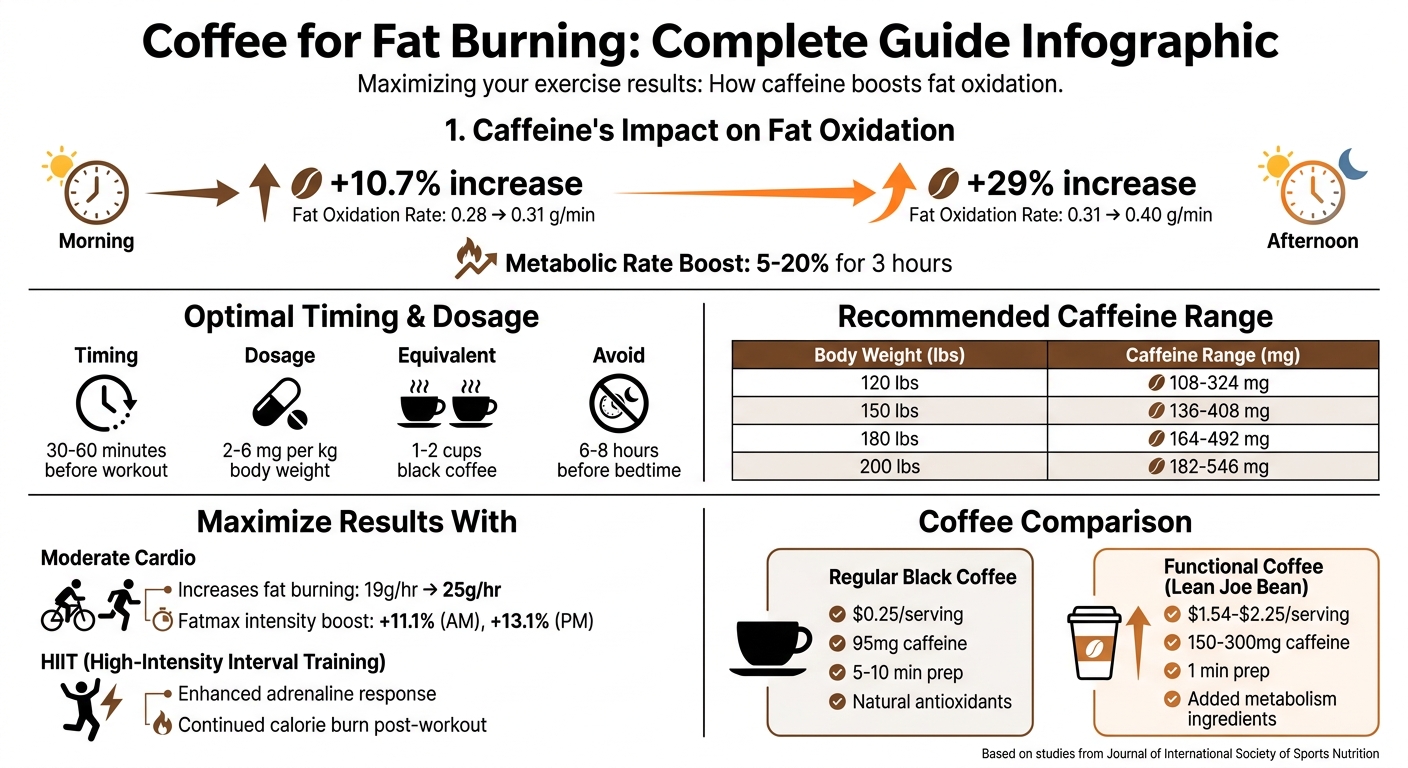
Studies show caffeine can increase fat burning by 11% in the morning and up to 29% in the afternoon. Pairing coffee with the right workout can help you tap into stored fat for energy and improve exercise performance.
Coffee and Fat Burning: Optimal Timing, Dosage, and Workout Types
Coffee Before Workouts? Boost Fat Burning & Performance (Science Explained)
sbb-itb-c7947de
How Caffeine Increases Fat Burning During Exercise
Caffeine helps the body burn more fat by boosting adrenaline-driven fat breakdown and increasing metabolic rate. It shifts the body’s energy source from carbohydrates to stored fat, making it a popular choice for those looking to enhance their exercise performance.
Caffeine achieves this by blocking adenosine receptors, which stimulates the central nervous system. This triggers the release of neurotransmitters that improve alertness and energy use. Let’s dive deeper into how adrenaline and metabolism contribute to this fat-burning process.
How Adrenaline Breaks Down Fat
One of caffeine’s key roles in fat burning is its ability to trigger the release of adrenaline. This hormone signals fat cells to break down triglycerides into free fatty acids, which are then released into the bloodstream. During exercise, these fatty acids become a primary energy source for muscles.
A 2021 study by researchers at the University of Granada highlighted caffeine’s impact on fat oxidation. In this study, 15 active men (average age 32) consumed 3 mg of caffeine per kilogram of body weight 30 minutes before cycling tests. The findings, published in the Journal of the International Society of Sports Nutrition, revealed that caffeine increased fat oxidation rates. Specifically, fat burning rose from 0.28 grams per minute to 0.31 grams per minute in the morning (a 10.7% increase) and from 0.31 grams per minute to 0.40 grams per minute in the afternoon (a 29% increase) compared to a placebo.
Higher Metabolic Rate and Calorie Burn
Caffeine doesn’t just help break down fat; it also raises your resting metabolic rate (RMR), meaning your body burns more calories even before you start exercising. This happens because caffeine enhances muscle fiber recruitment and boosts UCP-1 levels in brown adipose tissue, leading to a 5%–20% increase in RMR over three hours .
An August 2025 study published in Metabolites explored this effect further. Researchers examined 35 highly-trained males who consumed approximately 375 mg of caffeine (around 4.8 mg per kilogram of body weight) before high-intensity interval training. Led by Ciro José Brito at the Federal University of Juiz de Fora, the study found that individuals with high brown adipose tissue activity experienced a 25% higher sustained energy expenditure when using caffeine compared to those with lower activity.
When and How to Drink Coffee Before Workouts
Drinking coffee 30 to 60 minutes before your workout gives caffeine enough time to peak in your bloodstream, helping to maximize energy levels and increase fat burning as your exercise intensity ramps up. Studies suggest that while caffeine boosts fat oxidation at any time of day, afternoon workouts show better results - offering up to a 29% increase in fat burning compared to about 10.7% in the morning. Just be mindful of timing: avoid caffeine within 6 to 8 hours of bedtime to prevent sleep disruptions, as caffeine has a half-life of around 5 hours.
Best Time to Drink Coffee Before Exercise
The sweet spot for drinking coffee is 30 to 60 minutes before starting your warm-up. This timing ensures caffeine levels are optimal for boosting adrenaline and promoting fat breakdown during your workout. The recommended caffeine dose is about 2 to 6 mg per kilogram of body weight, which translates to approximately 1 to 2 cups of regular coffee for most adults.
If you're new to pre-workout coffee, start small - around half a cup - to see how your body reacts. This helps you avoid side effects like jitters or a racing heart. Once you know your tolerance, you can adjust your intake to hit the right balance.
How to Prepare Coffee for Fat Burning
To get the most out of coffee's fat-burning potential, keep it simple. Black coffee is the best choice, as it delivers caffeine without extra calories that could offset its metabolic benefits. Skip the sugars, syrups, and creamers to avoid unnecessary calories and potential digestive discomfort during exercise. A standard cup of black coffee contains about 100 mg of caffeine and almost no calories, making it perfect for fasted cardio sessions.
For those seeking an extra edge, specialized blends like Lean Joe Bean Weight Loss Coffee combine caffeine with ingredients like green coffee bean extract and green tea extract. These ingredients are known to support fat metabolism - chlorogenic acid in green coffee bean extract, for instance, may reduce carbohydrate absorption and enhance fat burning. You can also experiment with thermogenic spices such as cinnamon (to help regulate blood sugar) or cayenne pepper (which contains capsaicin) to further stimulate calorie burning. Prefer cold brew? It often contains higher caffeine levels and is less acidic, which some athletes find gentler on the stomach.
"Coffee, when consumed in moderation and without added sugars or heavy creamers, can be a powerful tool in supporting weight management." - Dr. Michael Greger, Nutrition Expert
Finally, pair your coffee with water to stay hydrated during your workout.
Best Exercises to Combine with Coffee
Not every type of workout takes full advantage of coffee’s pre-exercise benefits. Moderate-intensity aerobic exercises hit the sweet spot for caffeine's fat-burning potential because they keep you in the "Fatmax" zone. This is the level of intensity where your body burns fat most efficiently. Activities like cycling, running, and swimming are particularly effective since caffeine helps your muscles rely more on fatty acids for energy, rather than depleting stored carbohydrates. Here’s a closer look at the types of exercises that pair best with coffee to boost your metabolism.
Research backs this up: caffeine can increase fat-burning rates during moderate-intensity cycling from 19 grams per hour to 25 grams per hour.
Aerobic Workouts for Fat Burning
Steady-state cardio, such as jogging, cycling, or swimming, is ideal for maximizing caffeine’s impact on fat oxidation. With caffeine, you can push your "Fatmax" intensity slightly higher, allowing you to exercise at a more vigorous pace while still burning maximum fat. Studies indicate that caffeine increases this optimal fat-burning intensity by 11.1% in the morning and 13.1% in the afternoon.
To get the most out of these workouts, maintain a moderate, steady pace. Caffeine also enhances aerobic capacity (VO2max) by about 3.2% to 3.9%, enabling you to sustain these fat-burning sessions longer without tiring as quickly. The key is consistency - regular aerobic sessions will help you achieve lasting fat-burning benefits.
High-Intensity Interval Training (HIIT)
If you prefer short bursts of intense activity, high-intensity interval training (HIIT) pairs perfectly with coffee. The energy demands of HIIT require rapid fat breakdown, and caffeine plays a role by triggering an adrenaline release. This adrenaline helps break down stored fats into usable energy, giving your muscles what they need during those explosive intervals. Plus, caffeine lowers your perception of effort, making those tough intervals feel a little more manageable.
The benefits don’t stop when the workout ends. Caffeine increases your resting metabolic rate by 5% to 20% for about three hours after consumption, so you’ll keep burning extra calories even after your HIIT session. For optimal results, aim for 3 to 6 mg of caffeine per kilogram of body weight (equivalent to 1–2 cups of coffee for most people) and schedule your HIIT workouts in the late afternoon, when fat oxidation naturally peaks.
Comparing Coffee Products for Pre-Workout Use
Once you've grasped how caffeine can aid fat burning, it's time to weigh your coffee options for the best pre-workout boost.
Your main choices are regular black coffee and functional coffee blends designed specifically for pre-workout benefits. Regular black coffee provides about 95 mg of caffeine per 8 oz cup and costs around $0.25 per serving when brewed at home. On the other hand, functional coffee products, like Lean Joe Bean, pack 150–300 mg of caffeine per serving - comparable to 2–3 cups of regular coffee - but come with a heftier price tag of up to $2.25 per serving, making them nearly nine times more expensive.
Regular black coffee is rich in natural antioxidants like chlorogenic acid and is budget-friendly (~$0.25 per serving). Functional coffee blends, while pricier (up to ~$2.25 per serving), often include additional ingredients such as L-carnitine, B-vitamins, and green coffee bean extract, which are marketed to support metabolism. However, the scientific consensus on whether these extras significantly enhance fat loss beyond caffeine's effects remains mixed.
Brewing regular coffee takes about 5–10 minutes, whereas functional coffee products are more convenient, requiring just about a minute to prepare. For instance, Lean Joe Bean offers instant pre-workout coffee packs that combine premium ingredients aimed at boosting fat oxidation.
Comparison Table: Lean Joe Bean vs. Regular Coffee
Here's a quick breakdown of the differences between regular black coffee and the Lean Joe Bean functional blend:
| Attribute | Regular Black Coffee | Lean Joe Bean (Functional Coffee) |
|---|---|---|
| Price per Serving | ~$0.25 | ~$1.54 (monthly supply) to ~$2.25 |
| Caffeine Content | 95 mg (8 oz drip) | 150–300 mg (functional range) |
| Key Ingredients | Roasted coffee beans | Coffee, green coffee beans, green tea extract, ginseng, Garcinia Cambogia |
| Preparation Time | 5–10 minutes (brewing) | ~1 minute (instant mix) |
| Added Benefits | Natural antioxidants | Metabolism support and appetite control |
| Transparency | Single ingredient | Blend of ingredients with third-party testing |
If you're a habitual coffee drinker, research suggests that pricey pre-workout supplements might not offer additional fat loss or muscle gain benefits compared to regular coffee paired with quick carbs (like a banana) before your workout. As noted in Arnold Schwarzenegger's Pump Club newsletter:
"If you're a regular coffee or tea drinker, you might not get any extra benefit by spending big on pre-workouts".
A six-week study backs this up: both groups - those using pre-workout supplements and those drinking regular coffee with carbohydrates - shed about 2.2 lbs of fat and gained nearly 2.2 lbs of muscle, showing no clear edge for supplements.
Safe Caffeine Amounts and Side Effects
Once you've fine-tuned your caffeine timing and preparation, the next step is ensuring your intake stays within safe limits. While caffeine is known to enhance fat burning, sticking to recommended amounts is key to avoiding unwanted side effects. The International Society of Sports Nutrition (ISSN) suggests a range of 2–6 mg of caffeine per kilogram of body weight for boosting performance. Additionally, research shows that consuming 3 mg per kilogram about 30 minutes before aerobic exercise can significantly increase fat oxidation.
For most healthy adults, up to 400 mg of caffeine per day - about 3–4 cups of coffee - is considered safe. However, going beyond your personal tolerance can lead to side effects like irritability, tremors, a rapid pulse, or stomach issues. In extreme cases, consuming over 1,000 mg during intense exercise has been linked to rhabdomyolysis, a serious condition that can cause muscle breakdown and potentially harm your kidneys.
Recommended Caffeine Dosage for Active Adults
For pre-workout purposes, the ideal caffeine intake is generally between 3–6 mg per kilogram of body weight. If you weigh 150 lbs (68 kg), your target range would be around 135–405 mg. Here's a quick guide based on body weight:
| Body Weight | Recommended Caffeine Range |
|---|---|
| 120 lbs (~54 kg) | 108–324 mg |
| 150 lbs (~68 kg) | 136–408 mg |
| 180 lbs (~82 kg) | 164–492 mg |
| 200 lbs (~91 kg) | 182–546 mg |
It's best to start with the lower end of the range and adjust based on how your body responds. Caffeine typically reaches its peak effectiveness 45–60 minutes after consumption, and with a half-life of about 5 hours, it remains in your system long after your workout.
Finding the right dose not only helps you maximize performance but also reduces the risk of side effects.
How to Minimize Side Effects
To avoid insomnia, which can interfere with muscle recovery, stop consuming caffeine at least 6–8 hours before bed.
If full cups of coffee upset your stomach during workouts, try switching to 1–2 shots of espresso. These provide roughly 130 mg of caffeine in a smaller volume, which might be easier to tolerate. As Katey Davidson, MScFN, RD, CPT, advises:
"It's best to listen to your body and find an amount that's comfortable for you".
Watch for signs such as tremors, a rapid pulse, or nervousness - these can indicate you've exceeded your limit. Pregnant individuals should limit their caffeine intake to 200 mg per day and consult a healthcare provider before using caffeine for exercise. By managing these potential side effects, you can ensure your pre-workout caffeine routine enhances fat burning while supporting recovery.
Conclusion
Coffee can be a handy pre-workout option to help with fat loss when used at the right time. Research suggests that consuming around 3 mg of caffeine per kilogram of body weight about 30 minutes before exercise can noticeably increase fat oxidation. For someone weighing 150 lbs, that’s about 204 mg of caffeine - roughly the amount in a tall brewed coffee.
Timing and workout type also play a role. Afternoon workouts, combined with naturally higher adrenaline levels, may offer more fat-burning potential compared to morning sessions. Additionally, aerobic exercises and high-intensity interval training (HIIT) have been shown to maximize coffee’s fat-burning effects, particularly during intense cycling sessions. Exercising on an empty stomach - three to five hours after your last meal - can further enhance these benefits.
With proper timing and the right workout, coffee can be a simple, effective way to support fat loss goals.
FAQs
Will pre-workout coffee still help if I drink caffeine every day?
Absolutely! Even if you're someone who enjoys caffeine daily, pre-workout coffee can still pack a punch. It can help boost alertness, enhance fat burning, and improve exercise performance.
That said, how your body responds to caffeine can vary from person to person. For the best results, try timing your coffee intake strategically before your workout. You might also want to explore coffee blends specifically crafted for workouts - these often include additional ingredients aimed at supporting your fitness goals.
Can I drink coffee before strength training, or is it only good for cardio?
Yes, coffee can be a helpful ally for both strength training and cardio sessions. Drinking caffeine about 30 minutes before your workout might boost fat burning and enhance your overall performance. This isn't limited to cardio - it can apply to a range of workout styles, making it a versatile pre-workout option.
What’s the best alternative if coffee upsets my stomach before a workout?
If coffee tends to upset your stomach before a workout, consider switching to green tea. It still provides a boost of caffeine but is often gentler on the digestive system. On top of that, green tea is packed with antioxidants and other health perks, making it an excellent choice to fuel your exercise session.
Related Blog Posts
- Turmeric Coffee: Weight Loss Benefits Explained
- Functional Coffee and Meal Prep: Weight Loss Guide
- Instant Coffee for Weight Loss: Save Time, Stay Healthy
- Dark Roast Coffee for Weight Loss: Flavor Perks
Related reading
- Health Benefits of Cinnamon for Weight Loss
- Metabolism Boosting Coffee Planner
- Natural Appetite Suppressant Coffee for Weight Loss
- 7 Ways Coffee May Support Your Weight Loss Goals
- Thermogenic Coffee: What the Science Actually Says
Ready to put this into practice? Explore Lean Joe Bean Weight Loss Coffee and Superfood Mushroom Coffee.
