
How Functional Coffee Combines Probiotics and Gut Health
by Joanna Foley
·
Functional coffee is regular coffee enhanced with probiotics, prebiotics, and other health-boosting ingredients like mushrooms or L-theanine. It’s designed to support gut health, reduce bloating, and improve digestion. Coffee naturally contains prebiotics like fiber and polyphenols, which nourish gut bacteria, and adding probiotics creates a powerful combination for better digestion and immunity. Studies show coffee drinkers have a more diverse gut microbiome, which is linked to reduced inflammation and improved metabolism. Brands like Lean Joe Bean and Cafès Novell offer blends targeting gut health with probiotics and other supportive ingredients.
Key Points:
- Coffee naturally supports gut health with prebiotics like fiber and polyphenols.
- Probiotics added to coffee improve digestion, reduce bloating, and balance gut bacteria.
- Functional coffee blends often include mushrooms, MCT oil, or metabolism boosters.
- Studies link coffee consumption to higher levels of gut-friendly bacteria like Lawsonibacter asaccharolyticus.
- Popular brands include Lean Joe Bean and Cafès Novell, offering probiotic-focused options.
Functional coffee makes it easy to combine your daily caffeine fix with gut health benefits.
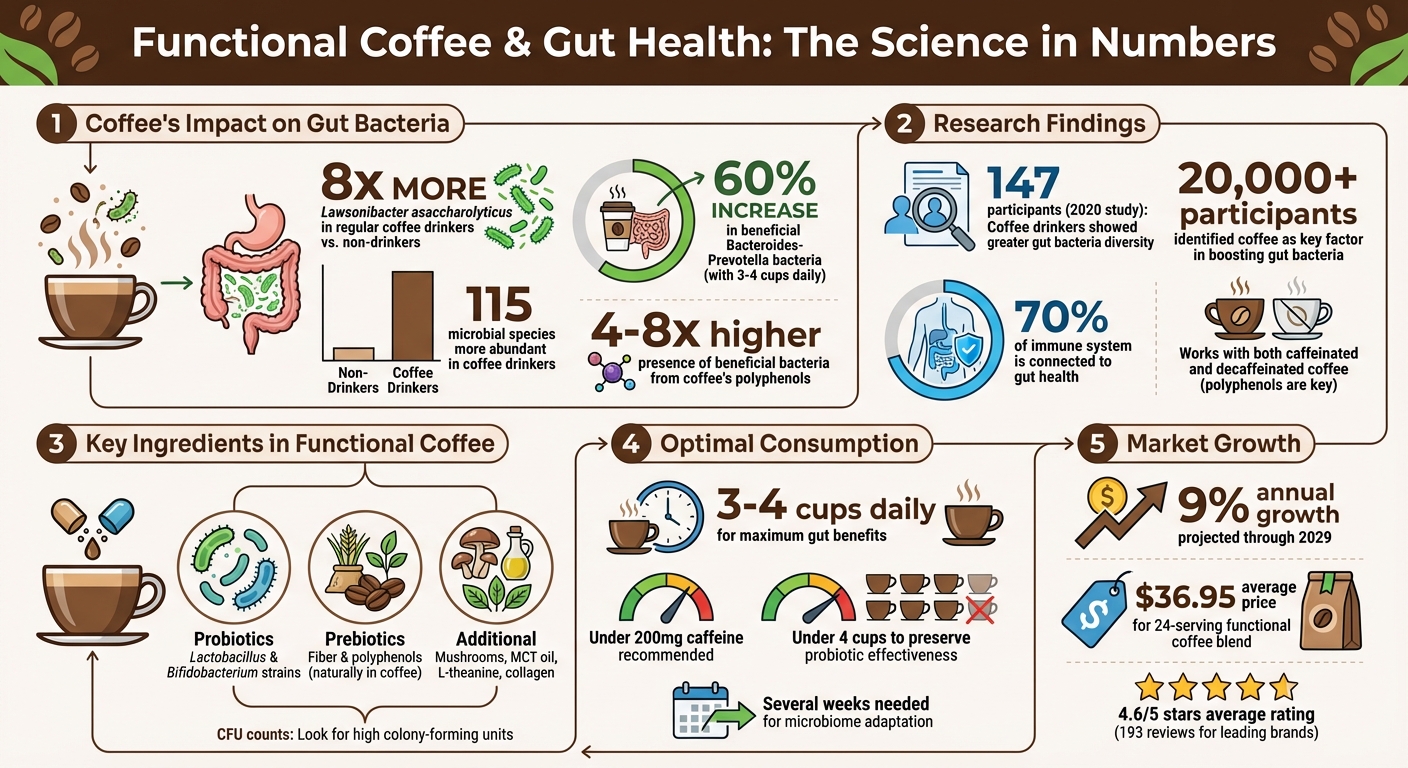
Functional Coffee Gut Health Benefits: Key Statistics and Research Findings
The Probiotic You Can Put in Coffee (Yes, Really!)
sbb-itb-c7947de
How Functional Coffee Improves Gut Health
Functional coffee plays a role in improving gut health by combining natural prebiotics with added probiotics, creating a balanced environment for digestion. Let’s dive into how coffee’s natural components contribute to this process.
Coffee's Natural Prebiotic Properties
Coffee contains fiber and polyphenols - plant-based compounds that serve as nourishment for beneficial gut bacteria. These compounds not only support your microbiome but also provide antioxidant benefits. As Betr Health notes:
Coffee contains fiber and numerous beneficial plant compounds called phytochemicals. The phytochemicals in coffee are responsible for many of coffee's health benefits.
Research backs this up. A 2020 study involving 147 participants discovered that coffee drinkers had a greater diversity of gut bacteria. Additionally, a 2019 study from Baylor College of Medicine found that higher caffeine intake was linked to beneficial bacteria being more evenly distributed across different sections of the colon. A diverse and balanced microbiome is associated with better digestion, stronger immunity, and reduced inflammation.
If you’re prone to digestive issues, moderation is key. For those with sensitive stomachs, darker roasts, cold brews, or mushroom-enhanced blends may be gentler options due to their lower acidity.
How Probiotics Work in Coffee
Adding probiotics to functional coffee enhances its gut health benefits, creating a powerful combination. Together with coffee's natural prebiotics, probiotics form a synbiotic effect, amplifying their positive impact. For example, coffee’s polyphenols - like chlorogenic acid - break down into metabolites that promote the growth of beneficial bacteria such as Lawsonibacter asaccharolyticus. Regular coffee consumption can increase this bacterium’s presence by 4 to 8 times.
Interestingly, coffee’s ability to stimulate stomach acid production helps create an environment where probiotics can thrive. Casa de Sante explains:
Coffee's ability to stimulate the production of stomach acid can create an optimal environment for probiotics to thrive and exert their beneficial effects.
Probiotics in coffee contribute to maintaining gut balance, improving nutrient absorption, and even supporting the production of neurotransmitters like serotonin. Research has also identified 115 microbial species that are more abundant in coffee drinkers compared to non-drinkers. Notably, these benefits occur even with decaffeinated coffee, suggesting that polyphenols - not just caffeine - are the key drivers.
To make the most of these benefits, look for functional coffee with high colony-forming unit (CFU) counts and multiple probiotic strains. Avoid heavily sweetened creamers, as they can counteract your gut health efforts.
Health Benefits of Probiotic Coffee
Sipping on coffee infused with probiotics might do more than just wake you up - it could also support your digestive health and overall wellness. This unique combination leverages coffee's natural prebiotic properties and pairs them with live beneficial bacteria, creating a powerful duo for gut health. Together, they go beyond what each ingredient can achieve on its own, helping with digestion, metabolism, and even immune function.
Less Bloating and Fewer Cravings
Probiotics in coffee are known for their ability to balance gut health, which can lead to reduced bloating and more stable blood sugar levels. This, in turn, helps curb cravings. Strains like Lactobacillus and Bifidobacterium work their magic by outcompeting gas-producing microbes, aiding in food breakdown, and promoting regular bowel movements. A 2018 review highlighted that certain probiotic strains significantly alleviate symptoms like bloating, especially in individuals with IBS.
Additionally, coffee's chlorogenic acids team up with probiotics to stabilize blood sugar, preventing the spikes and crashes that often lead to cravings. These compounds also influence satiety signals, which might help reduce emotional eating. As Healthline points out:
Probiotics could potentially reduce bloating by modifying the gut microbiome, but results may vary
. For the best results, it's recommended to drink probiotic coffee daily for several weeks, giving your gut microbiome time to adapt.
Better Metabolism and Immune Function
The benefits of probiotic coffee extend beyond digestion. Studies show that coffee drinkers have 6–8 times higher levels of Lawsonibacter asaccharolyticus, a gut bacterium linked to butyrate production, which helps reduce inflammation and maintain colon health. In fact, a study involving over 20,000 participants identified coffee as a key factor in boosting the abundance of this specific gut bacterium.
These metabolic perks can also aid in weight management and energy levels. Dr. Roxanne Pero explains:
With clinically studied probiotics and metabolism-boosting ingredients such as green coffee and chromium, this formula helps to support energy, curb cravings and promote healthy weight - without the crash or guesswork
. Many users report feeling improvements in digestion and energy within just a few days. Since around 70% of the immune system is tied to gut health, maintaining a balanced microbiome with probiotic coffee might also strengthen immune defenses. Coffee's bioactive compounds can help regulate inflammatory responses and support both innate and adaptive immunity.
To get the most out of probiotic coffee, limit your intake to fewer than 4 cups daily and wait until the coffee cools slightly before adding probiotics. This helps preserve the bacteria's effectiveness.
Functional Coffee Brands with Probiotics
Gut health plays a key role in reducing bloating and managing cravings, and several coffee brands now offer blends that incorporate probiotics or thermogenic ingredients to support these goals. Here’s a closer look at some popular options.
Lean Joe Bean: Instant Coffee for Gut Health and Weight Loss

Lean Joe Bean stands out with two unique instant coffee blends designed for specific benefits:
- Mushroom Superfood Coffee: This blend targets gut health with a probiotic mix, MCT oil, collagen, and six types of mushrooms (Shiitake, Maitake, Reishi, Chaga, Lion's Mane, and Cordyceps). It also includes turmeric, cinnamon, and ginger for added inflammation support.
- Weight Loss Coffee: This blend skips probiotics and instead focuses on metabolism-boosting thermogenic ingredients like Garcinia Cambogia (95%), L-Carnitine, and concentrated extracts of green tea and ginseng.
Both options are sold in 24-serving boxes for $36.95 (a one-month supply) and dissolve easily in hot or cold liquids. However, some users have reported experiencing jitters with the Weight Loss Coffee, likely due to its combination of caffeine and thermogenic components.
Cafès Novell Functional Coffees
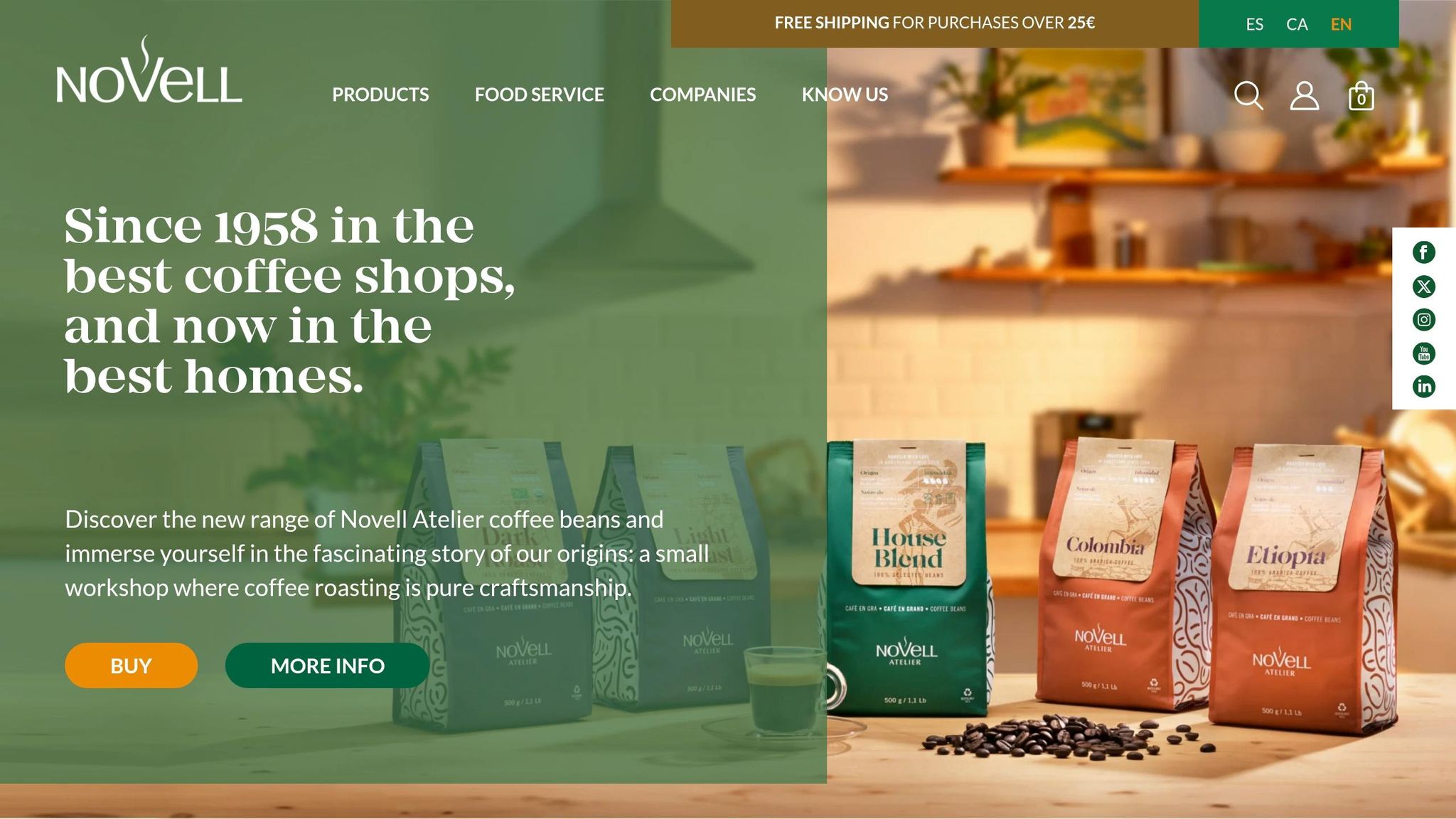
Cafès Novell takes a simpler, more focused approach by offering coffee blends that prioritize probiotics. Their low-acid options pair probiotics with prebiotic fibers to nourish beneficial bacteria, such as Bifidobacterium species, while also reducing stomach irritation. This emphasis on digestive comfort and bacterial diversity sets Cafès Novell apart.
Other Brands: Westrock Coffee and More

Brands like Westrock Coffee are also venturing into functional coffee, incorporating prebiotic and probiotic ingredients to promote daily wellness. When exploring these options, it's worth considering factors like the diversity of bacterial strains, sensitivity to caffeine, and additional components such as MCT oil or mushroom beta-glucans for extra prebiotic benefits.
Conclusion
Functional coffee infused with probiotics provides an easy way to support gut health while tackling common issues like bloating and cravings. The combination of coffee's natural prebiotic fibers and polyphenols with added probiotics helps nourish good bacteria, aids digestion, and supports a balanced gut microbiome. These elements work together to enhance gut function and overall well-being.
Studies show that regular coffee drinkers have 8 times more Lawsonibacter asaccharolyticus - a gut-friendly microbe known for producing anti-inflammatory butyrate - compared to non-drinkers. Drinking 3–4 cups of coffee daily can also increase beneficial bacterial groups like Bacteroides–Prevotella by 60%, which promotes better metabolism, lowers inflammation, and reduces digestive discomfort.
If you're looking for a quality option, Lean Joe Bean offers functional coffee blends designed to support gut health and metabolism. Their Mushroom Superfood Coffee combines mushrooms, probiotics, and other gut-supporting ingredients, while their Weight Loss Coffee is crafted to boost metabolic function. Both are Tru-ID Certified, GMP-compliant, and highly rated at 4.6/5 by 193 reviewers. A 24-serving box is priced at $36.95.
For optimal benefits, aim to drink 3–4 cups daily, keeping caffeine intake below 200 mg. It's best to enjoy your coffee first thing in the morning and wait 30 minutes before eating to protect the live probiotic cultures. If you're new to probiotics, start with smaller amounts and gradually increase.
The functional coffee market is growing steadily, with an annual growth rate of nearly 9% projected through 2029. This reflects a shift in consumer focus - from just caffeine content to exploring what added benefits coffee can provide. When choosing a brand, look for clean labels with no sugar, artificial flavors, or GMOs. The right blend can turn your daily coffee into a powerful ally for gut health.
FAQs
Will hot coffee kill the probiotics?
No, hot coffee doesn’t kill probiotics. Studies indicate that moderate coffee consumption can actually support gut health and positively influence gut microbiota. Plus, the usual temperatures at which coffee is consumed aren’t high enough to destroy probiotics or their benefits.
Is functional coffee safe if I have IBS or acid reflux?
Functional coffee can be a suitable option for individuals with IBS or acid reflux, especially if it contains probiotics and is well-tolerated. However, caution is advised for those with mushroom allergies, digestive sensitivities, or certain health conditions, as ingredients like mushrooms may cause unwanted reactions. If you're uncertain about your tolerance, it's best to consult a healthcare professional.
How long does it take for probiotic coffee to reduce bloating?
Most people start to feel less bloated within 2–4 weeks of regularly drinking probiotic coffee. However, the timeline can vary based on individual factors and how consistently it's consumed.